Don't Fall to how many types of millets are there Blindly, Read This Article
Millets Types: Discovering the Different Varieties of Millets and Their Remarkable Health Benefits
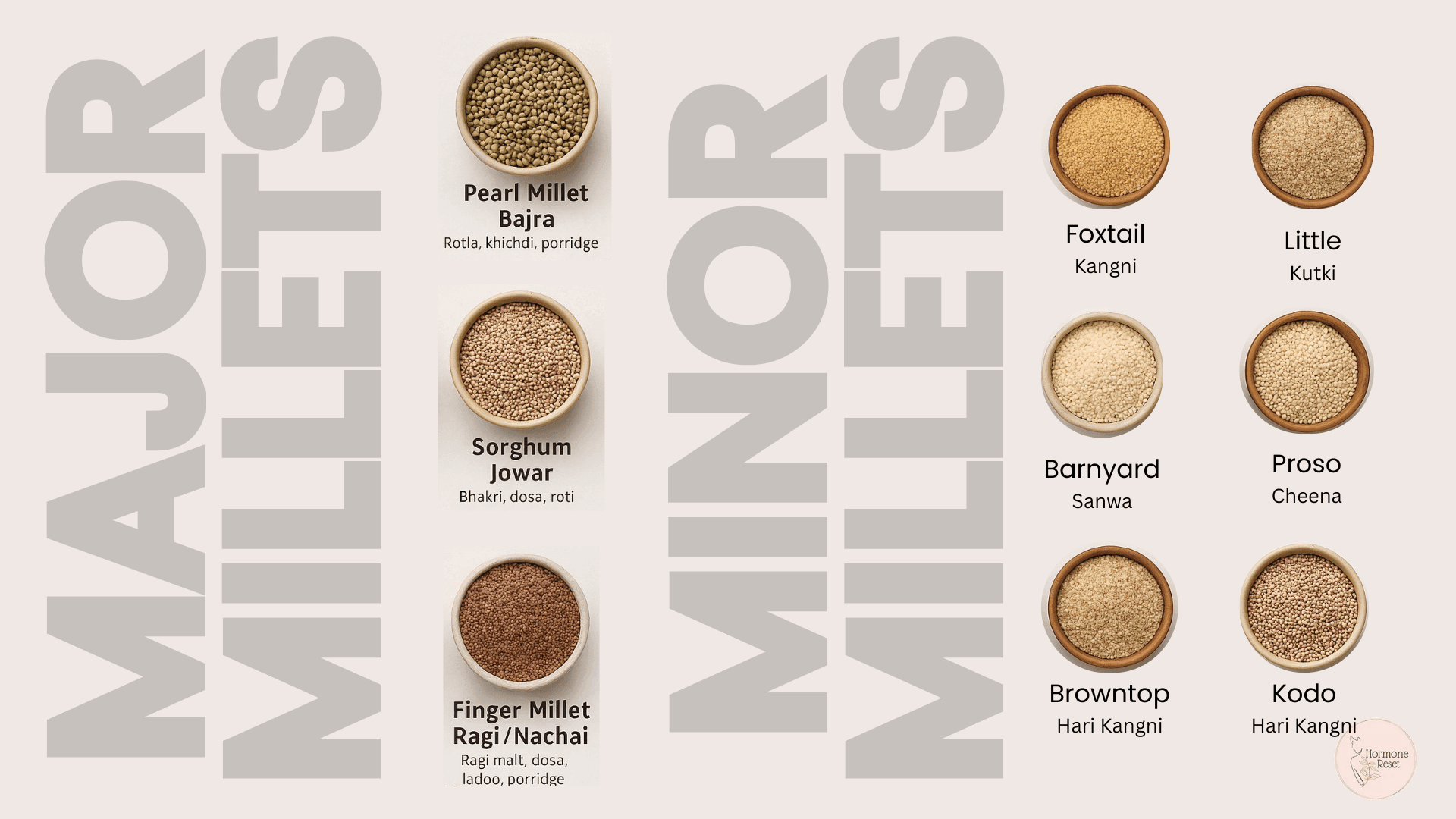
For centuries, millets have remained a cornerstone of traditional diets, appreciated for their resilience, adaptability, and rich nutritional composition. Today, as people increasingly seek natural and wholesome foods, interest in millets types has grown rapidly. Whether exploring how many types of millets are there or evaluating what type of millet is the healthiest, individuals are revisiting these ancient grains for their impressive health properties. This overview highlights the different types of millets and their nutritional values, supporting informed decisions about the best millets for health to suit your lifestyle.
1. Pearl Millet (Bajra)
Pearl millet remains among the most extensively grown grains across India and Africa. Packed with protein, fibre, iron, and magnesium, it ranks highly among the best millets for health. Recognised for promoting cardiovascular wellbeing and aiding digestion, pearl millet also assists in stabilising blood glucose thanks to its low glycaemic index. Of all types of millets and their benefits, pearl millet is especially recognised for increasing vitality and reinforcing immunity.
2. Finger Millet (Ragi)
Ragi, or finger millet, is especially appreciated for its outstanding calcium levels. Consequently, it plays an important role in strengthening bones for both growing children and ageing individuals. In addition, it provides essential amino acids and antioxidants that enhance general wellbeing. Among the health benefits of different millets, ragi is commonly praised for assisting weight regulation and enhancing haemoglobin counts.
3. Foxtail Millet
High in fibre and complex carbohydrates, foxtail millet ensures gradual energy release. It is a preferred grain for individuals managing diabetes because it helps stabilise blood glucose levels. Within the broader type of millets category, foxtail millet is appreciated for enhancing heart function and improving digestion.
4. Little Millet
Little millet may be small in size, but it offers substantial nutritional value. It is a source of B vitamins, iron, and beneficial fats. As part of the types of millets and their benefits, little millet supports nervous system health and helps reduce cholesterol levels. Its versatility makes it ideal for preparing porridge, upma, and rice alternatives.
5. Kodo Millet
Kodo millet is recognised for its rich fibre levels and strong antioxidant activity. It assists in detoxification and promotes gut health. Nutrition experts often classify kodo millet among the best millets for health due to its role in weight management and metabolic regulation. In analysing the different types of millets and their nutritional values, kodo millet stands out for its anti-inflammatory potential.
6. Barnyard Millet
Barnyard millet is especially suitable for individuals looking for low-calorie but nutrient-rich choices. Its substantial iron and fibre levels make it favourable for stabilising blood glucose. When considering what type of millet is the healthiest, barnyard millet regularly features thanks to its reduced carbohydrate content and gentle digestion.
7. Proso Millet
Proso millet provides a balanced combination of protein and carbohydrates. It aids muscle growth and, being naturally gluten-free, suits those with gluten intolerance. As awareness grows about how many types of millets are there, proso millet is increasingly recognised for promoting cardiovascular health and enhancing energy levels.
8. Sorghum (Jowar)
Although sometimes grouped separately, sorghum is often included among major millets types. It is high in antioxidants, protein, and fibre. It promotes digestive wellbeing and lowers oxidative stress. Among the health benefits of different millets, jowar is known for improving heart health and supporting sustainable energy.
Pseudo Millets: A Special Category
Beyond traditional millets, there are pseudo millets such as buckwheat and amaranth. Although botanically distinct, they provide comparable nutritional advantages and are typically classified alongside millets. These grains are rich in protein and essential minerals, expanding the variety within the broader type of millets category.
How Many Types of Millets Are There?
When asking how many types of millets are there, the answer depends on classification. Broadly, millets are divided into major millets and minor millets. The major group features pearl millet and sorghum, while the minor group covers finger, foxtail, little, kodo, barnyard, and proso millets. When pseudo millets are added, the classification expands even more. Each variety offers unique health benefits of different millets nutritional advantages, and understanding the types of millets with pictures helps consumers identify them easily in markets and kitchens.
What Type of Millet Is the Healthiest?
Determining what type of millet is the healthiest depends on individual dietary goals. When focusing on bone health, finger millet excels thanks to its calcium richness. For diabetes management, foxtail and barnyard millet are preferred. To support cardiovascular health and boost iron levels, pearl millet is advantageous. Rather than focusing on a single grain, incorporating a rotation of different types of millets and their nutritional values ensures a balanced nutrient intake.
Conclusion
Millets provide an exceptional blend of nourishment, environmental sustainability, and culinary adaptability. From pearl and finger millet to lesser-known varieties like kodo and proso, the wide range of millets types provides options suited to diverse health needs. Understanding the types of millets and their benefits empowers individuals to make informed dietary choices. Incorporating a mix of these grains into everyday diets allows you to experience the complete range of health benefits of different millets and maintain lasting wellbeing.